Comparing supports
Daily Living Support vs Other NDIS Supports
The NDIS uses several terms that sound alike but mean different things, and the confusion is understandable. This guide compares daily living support with the other supports it is most often mixed up with — including Improved Daily Living, Supported Independent Living, and support coordination — so you can see clearly what each one does and how they fit together. Knowing the difference helps you make sense of your plan and use it well.
In short
Assistance with Daily Life (Core Supports) pays for practical help you need now. Improved Daily Living (Capacity Building) funds therapy and training to build skills for the future. Supported Independent Living relates to help in a shared living arrangement. Support coordination helps you understand and connect your supports. They often work together, and what is funded depends on the individual.
On this page
Why the terms get confused
Much of the confusion comes from similar names. "Assistance with Daily Life" and "Improved Daily Living" both mention daily life, yet they sit in different budgets and do different jobs. Add in "Supported Independent Living" and "support coordination", and it is easy to see why people mix them up. The good news is that once you understand what each is for, the differences become clear and stay clear.
Assistance with Daily Life vs Improved Daily Living
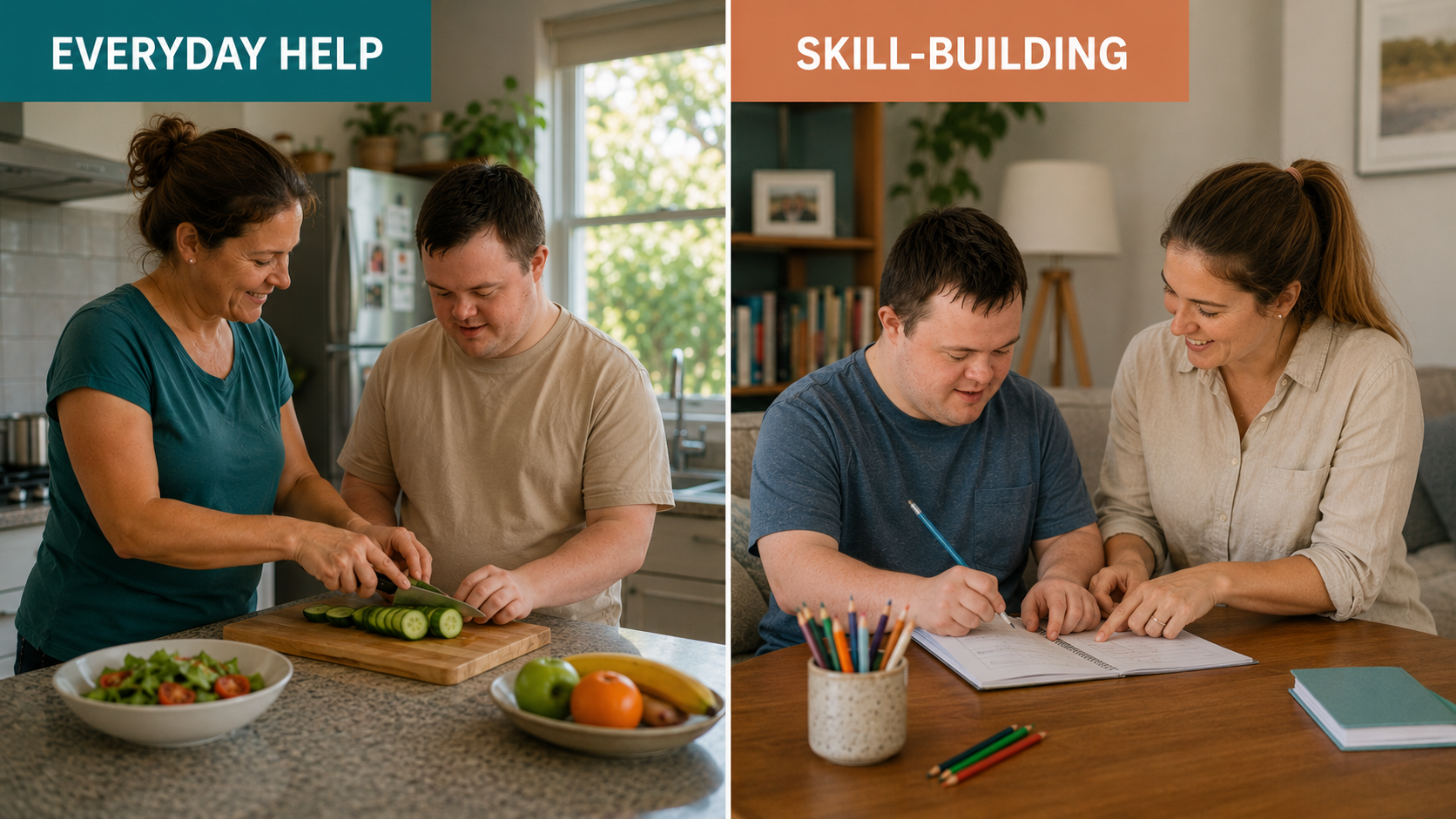
This is the most common point of confusion, so it is worth being precise. Assistance with Daily Life is a Core Support. It pays for the practical, hands-on help a person needs now to manage everyday tasks — personal care, meals, household tasks, and so on. It is about doing and supporting today.
Improved Daily Living is a Capacity Building support. It funds therapy, assessments, and training that help a person build skills for the future — for example, working with an occupational therapist or accessing a skill-development program. It is about developing capability over time. A common question is what can Improved Daily Living funding be used for — typically allied health assessments, therapy programs, and equipment training, rather than day-to-day hands-on help.
A simple way to hold the difference: a support worker helping you shower each morning is Assistance with Daily Life; a therapist teaching you a new technique to manage a task more independently is Improved Daily Living. Both are valuable, and many people have both in their plan. We introduce this distinction in our guide to building everyday independence.
Practical tip
If you are unsure which category a support falls under, ask yourself whether it is help you need right now (likely Core Supports) or structured work to build a skill for the future (likely Capacity Building). This simple test resolves most of the confusion, though your plan and coordinator can confirm.
Daily living support vs Supported Independent Living
Supported Independent Living (often shortened to SIL) refers to support with daily tasks provided within a shared living arrangement, typically for people with higher support needs who live with others in a shared setting. It generally involves help with, or supervision of, daily tasks in that shared home.
The difference from everyday daily living support is mainly about the setting and the level of support. Daily Life Assistance can be delivered wherever a person lives — alone, with family, or in various arrangements. SIL specifically relates to a shared living arrangement with a particular support model. Whether SIL is relevant to a person depends on their needs and living situation, assessed individually.
Daily living support vs support coordination
NDIS support coordination is different again. Rather than providing hands-on daily help, a support coordinator helps a person understand their NDIS plan, connect with providers, and make the most of their supports. Think of it as help navigating and organising your supports, rather than delivering the support itself.
Many participants find support coordination valuable, especially when they are new to the NDIS or have a complex plan. A support coordinator might help you find a daily living provider, but they do not do the personal care or household tasks themselves — that is the role of your daily living support provider, whether for daily life support Bonnie Brook or elsewhere across Melbourne's west.
A side-by-side comparison
The table below summarises the key differences. As always, it is a general guide, not a statement about any individual plan.
| Support | What it does | Broad budget area |
|---|---|---|
| Assistance with Daily Life | Practical, hands-on help with everyday tasks you need now | Core Supports |
| Improved Daily Living | Therapy and training to build skills for the future | Capacity Building |
| Supported Independent Living | Help with daily tasks in a shared living arrangement | Core Supports (home and living) |
| Support coordination | Help to understand your plan and connect your supports | Capacity Building |
How they work together
These supports are not competitors — they often combine in a single plan. A participant might receive Assistance with Daily Life for everyday help, Improved Daily Living to build a specific skill, and support coordination to help tie it all together. Seeing them as complementary parts of a whole makes a plan much easier to understand and use.
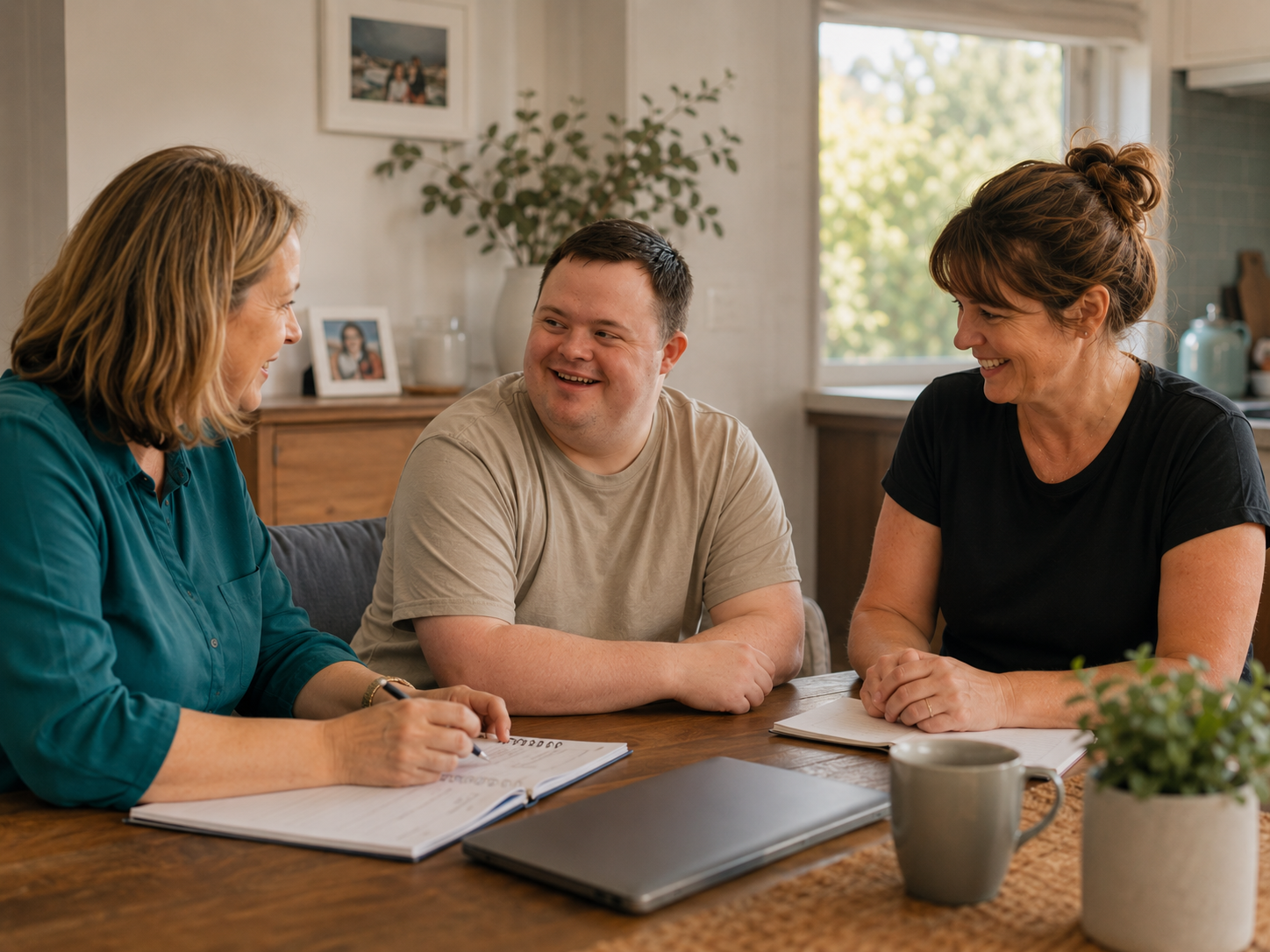
Understanding how they connect also helps you have better conversations at plan time. When you can describe both the help you need now and the skills you want to build, the right combination of supports can be considered. Our how NDIS funding works for daily living support explains how the budgets fit together.
Practical tip
When reviewing your plan, look at each funded support and note what it is for. Grouping them into "help I need now" and "skills I'm building" gives you a clear picture of your whole plan, and makes it easier to spot where you might want to adjust or ask questions.
Melbourne context
Making sense of your plan in Melbourne
Across Melbourne, including the western suburbs such as Werribee, Point Cook, and Hoppers Crossing, participants can access providers for daily living support, allied health for skill-building, and support coordination. Having these different supports available locally makes it easier to build a plan that combines everyday help with longer-term goals. Daily life support Werribee and Hoppers Crossing follows the same principle. If you are working out how your supports fit together, our complete guide to Daily Life Assistance ties the whole picture together.
Key takeaways
- Assistance with Daily Life (Core Supports) is practical help you need now.
- Improved Daily Living (Capacity Building) funds therapy and training to build future skills.
- Supported Independent Living relates to help with daily tasks in a shared living arrangement.
- Support coordination helps you understand your plan and connect your supports.
- These supports often work together as complementary parts of one plan.
Frequently asked questions
What is the main difference between Assistance with Daily Life and Improved Daily Living?
Assistance with Daily Life is a Core Support that pays for hands-on help you need now, like personal care and household tasks. Improved Daily Living is a Capacity Building support that funds therapy and training to build skills for the future. One is about doing today; the other is about developing capability over time.
Can I have both Core Supports and Capacity Building in my plan?
Yes, many participants do. A plan can include everyday help through Core Supports and skill-building through Capacity Building, along with other supports. What is included depends on your individual needs, goals, and the reasonable and necessary test.
Is Supported Independent Living the same as daily living support?
They are related but not the same. Supported Independent Living refers to help with daily tasks within a shared living arrangement, typically for people with higher support needs. Everyday daily living support can be delivered wherever a person lives. Whether SIL is relevant depends on your needs and living situation.
Do I need a support coordinator to get daily living support?
Not necessarily. Support coordination is a separate support that helps you navigate and connect your plan. Some participants have it and find it valuable, especially early on or with complex plans; others manage without it. You can arrange daily living support directly with a provider.
Which support pays for therapy?
Therapy to build skills generally falls under Capacity Building, such as Improved Daily Living, rather than Core Supports. Everyday hands-on help sits in Core Supports. The two often work together in a plan. Our guide on how NDIS funding works for daily living support explains the budget areas.
How do I know which support I actually need?
Think about whether you need help right now with everyday tasks, support to build a skill for the future, or help navigating your plan — you may need a combination. Describing your needs clearly to the NDIA or your coordinator helps the right supports be considered for your situation.
In summary
The NDIS's similar-sounding terms describe genuinely different supports: everyday help you need now, skill-building for the future, support within shared living, and help navigating your plan. Understanding supported independent living NDIS versus everyday Daily Life Assistance — and how they work together — turns a confusing plan into a clear one, and helps you use your supports with confidence.
About Sahima Care Services
Helping your plan make sense
Sahima Care Services is a registered NDIS provider supporting participants across Melbourne's western suburbs. We are happy to help you understand how daily living support fits alongside the other parts of your plan. If you have questions about your supports, our team is glad to explain things clearly.
See How We Can Help