NDIS guides
Does the NDIS Pay for House Cleaning?
In short
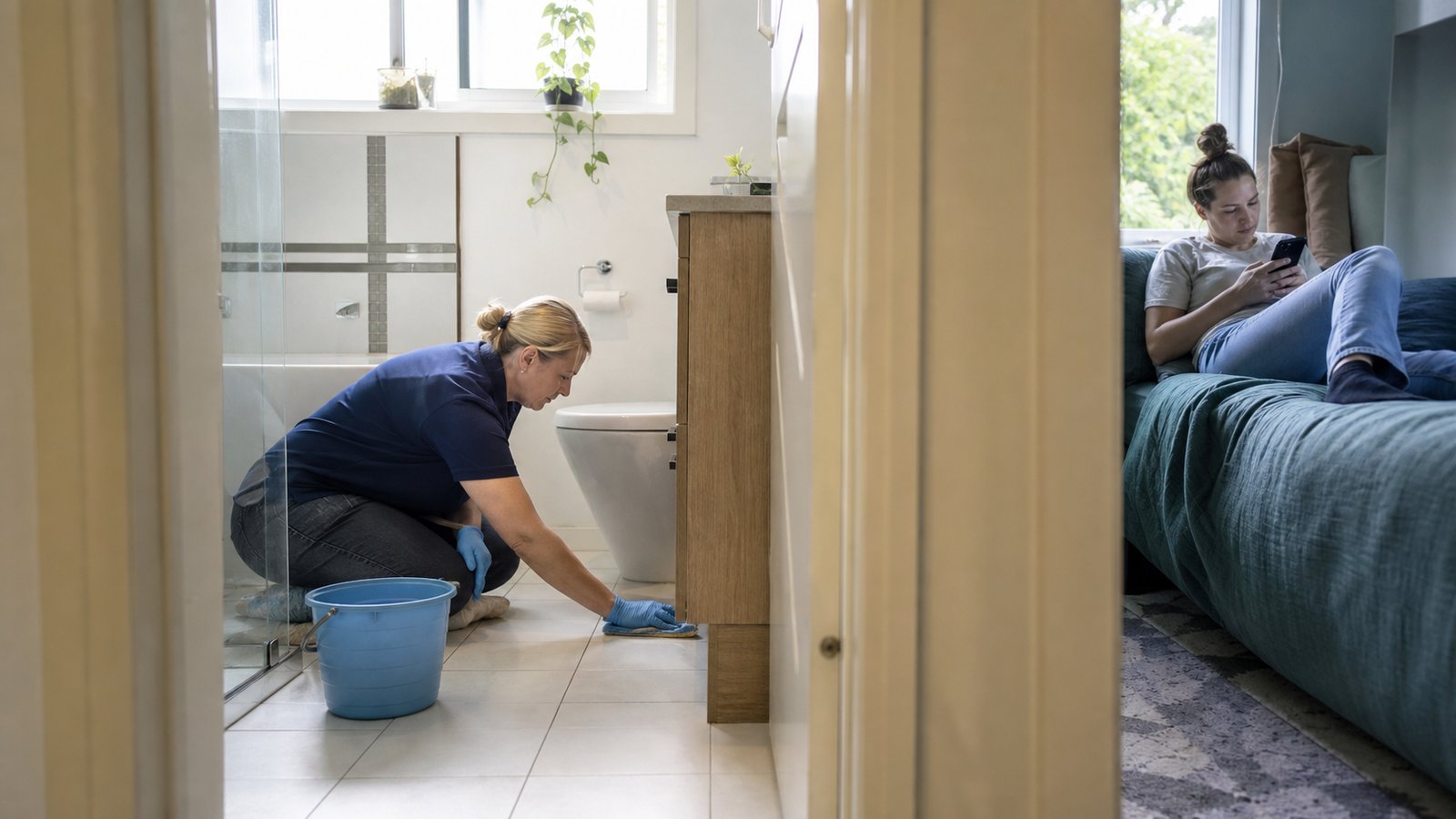
Yes. The NDIS may fund house cleaning when your disability makes cleaning difficult or unsafe to manage independently and the support meets NDIS funding requirements. Household cleaning is generally funded through Core Supports under Assistance with Daily Life.
On this page
When Can the NDIS Fund House Cleaning?
House cleaning is not funded because a home needs cleaning. Every home needs cleaning. It is funded because your disability prevents you from doing it, or makes doing it unsafe — whether you call it house cleaning, domestic assistance, or NDIS cleaning services.
The key question is whether the cleaning support is related to your disability and meets the relevant NDIS funding requirements. The NDIA is not assessing whether cleaning is useful — obviously it is. It is assessing whether the gap between what your home needs and what you can manage is caused by your disability.
So the strongest case is not "I would like a cleaner". It is a clear description of the functional barrier:
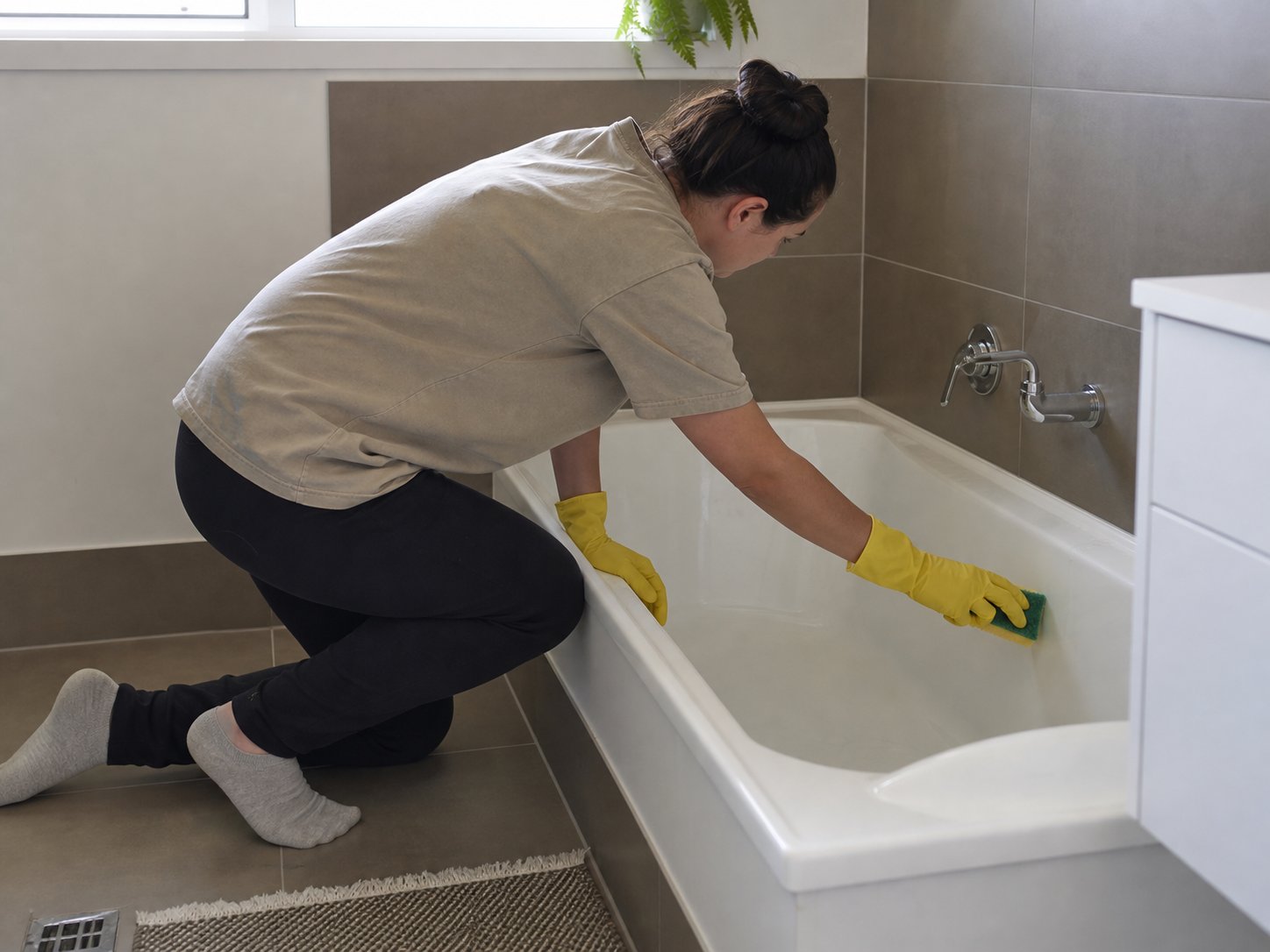
- You cannot bend, kneel or reach to clean the bathroom or floors
- Standing for the time a task takes triggers pain, fatigue or a fall risk
- You cannot grip or safely handle cleaning equipment
- Executive function difficulties mean you cannot initiate, sequence or complete the task
- Fatigue means using your energy on cleaning costs you something more important, like getting to work or appointments
How it's funded and claimed
Cleaning is not a standalone budget line. It comes out of Core Supports → Assistance with Daily Life, claimed against the applicable household-task support item, subject to the current NDIS pricing arrangements and your plan.
The billing is hourly, not per job. A 90-minute visit is claimed as 1.5 hours. Be cautious of any provider quoting a flat "per clean" fee against NDIA-managed or plan-managed funding — that is not how the item is structured.
Because Core funding is flexible, hours you spend on cleaning are usually hours not spent on something else in the same budget. It is worth deciding deliberately how much of your Core budget you want going to household support.
For the current price limit, the exact support item code, and how it fits into the rest of your plan, check with your plan manager or the NDIA, or get in touch with Sahima Care Services directly.
If you're in Footscray, see our NDIS provider Footscray for how our local team handles cleaning specifically. Sahima Care Services can provide cleaning assistance as part of its NDIS household task service across Melbourne's western suburbs.
What the funding usually won't cover
Even where cleaning support is funded, some things sit outside it:
- Cleaning for other people in the house. If you live with family or housemates without disability-related need, the NDIS funds your share of the load, not everyone's.
- Cleaning products and equipment. These are ordinary living costs everyone has — the NDIS funds the worker's time, not the supplies.
- Specialist or periodic cleaning, such as carpet cleaning or pressure washing, may not fall within ordinary household task support and may require a different funding pathway.
- One-off deep cleans and end-of-lease cleans as routine support. These are occasionally funded where there's a specific disability-related justification, but not as standard.
- Specialist remediation or complex cleaning situations — such as hoarding or squalor — may require a different type of support and assessment, rather than standard household tasks hours.
- Repairs, maintenance and modifications. Different budget entirely.
If cleaning isn't currently in your plan
You have two realistic paths.
- Check your existing Core funding. Depending on how your plan is structured and managed, you may be able to use available Core funding for household task support. Your plan manager, support coordinator or the NDIS can confirm what applies to your plan.
- Raise it at your next plan reassessment. Supporting evidence, such as functional assessments or information from relevant professionals, can help explain how your disability affects your ability to manage household tasks. Where relevant, describe the consequences too — falls, skin infections, hospital admissions, or missed work.
Registered cleaner or support worker?
Both can deliver this support, and the choice affects what you actually get.
A traditional cleaning service generally focuses on completing cleaning tasks efficiently to a set scope. A disability support worker may provide household assistance while adapting the support to your needs and circumstances, but is typically not a deep-cleaning specialist. If you're weighing up the two, our team at Sahima — an NDIS provider in Melbourne — can talk through which fits your situation.
If you are NDIA-managed you must use a registered provider. Plan-managed and self-managed participants have wider choice — self-managed participants are also not bound by the price limit and can negotiate directly.

Common questions
How many hours of cleaning will the NDIS fund?
There's no standard allocation — it depends on your assessed need, your household and what's in your plan. Two to three hours a fortnight is a common starting point for a single participant, but plans vary widely and yours may be very different.
Can I use my own regular cleaner and claim it?
If you're self-managed, generally yes, provided the support meets your plan's purpose and you keep proper records. Plan-managed participants can often use unregistered providers too, but your plan manager needs to be able to process the invoice. NDIA-managed participants must use registered providers.
Does the NDIS pay for cleaning if I live with family?
It can, but the funding relates to your disability-related need, not the household's total cleaning load. In practice this often means support focused on the areas and tasks connected to your needs rather than a whole-house clean.
Is NDIS cleaning GST-free?
NDIS supports can be GST-free when the relevant GST requirements are met. Check the arrangement and invoice with your provider or plan manager.
Does the NDIS cover cleaning products?
No, not as a rule. Cleaning products and equipment are treated as ordinary living costs everyone has, regardless of disability. The funding covers the worker's time, not the supplies they use.
Does the NDIS cover carpet cleaning?
Not typically as part of routine household task support. Carpet cleaning is usually treated as a specialist, periodic service rather than a weekly or fortnightly household task, so it generally sits outside this funding unless there's a specific disability-related justification agreed with your planner.
Sources and further reading
- NDIA, NDIS Pricing Schedule 2026-27 — item 01_020_0120_1_1, effective 1 July 2026
- National Disability Insurance Scheme Act 2013 (Cth), s 34
- A New Tax System (Goods and Services Tax) Act 1999 (Cth), s 38-38
Pricing figures reflect the NDIS Pricing Schedule 2026-27, effective 1 July 2026. Price limits are reviewed each July — confirm the current figure on ndis.gov.au before relying on it.