NDIS guides
How to Get NDIS Approval for Cleaning: A Guide

In short
Start by checking whether you already have flexible Core funding for Assistance with Daily Life — many participants do and can begin using it without any approval. If you don't, you'll need to make the case at your next plan reassessment, supported by evidence of how your disability limits what you can manage at home.
On this page
Do you actually need approval?
Not always. This step saves more people time than any other, because there is often no approval process to go through.
If you already have suitable funding under Core Supports → Assistance with Daily Life, you may be able to use that funding for household tasks without requesting anything additional — depending on your plan and the applicable NDIS rules. Cleaning is not a separately gated support that needs a tick; it is one of the things Core funding is for.
So before anything else:
- Open your plan and look under Core Supports
- Find Assistance with Daily Life and note the amount
- Ask your plan manager or support coordinator what's left and whether household tasks can be claimed against it
If the answer is yes, you can contact a provider today — our NDIS household task support in Melbourne page is a reasonable place to start. If you're unsure whether your funding can be used this way, check with your plan manager or the NDIA before assuming either way. The rest of this page is for participants who do not have that funding, or do not have enough of it.
Getting approval in Melbourne
For participants looking for NDIS domestic assistance in Melbourne, the same funding principles apply everywhere in Australia — but the provider you choose should still match your plan, support needs and location. If you're in Footscray, see our NDIS provider Footscray before you go through the formal approval steps. Sahima Care Services supports participants across Melbourne's western suburbs with cleaning, laundry and other everyday tasks — learn more about Sahima Care Services.
Step two: build the case around function, not chores
The NDIA does not fund cleaning because a house needs cleaning. It funds supports that are reasonable and necessary in relation to your disability. So the case you make has to be about capacity, not preference.
Weak framing: "I'd like help with cleaning because it's hard to keep on top of."
Strong framing: "I can't kneel or bend to clean the bathroom because of my hip. Last time I tried I fell. My OT has recommended I avoid floor-level tasks entirely."
The second version does three things the first doesn't — it names the functional limit, connects it to the disability, and points to professional evidence.
Describe consequences too. What happens when the task doesn't get done? Falls, skin infections, missed work, hospital admissions, or a carer burning out are all concrete impacts, and they carry more weight than describing the mess.
Step three: gather evidence that carries weight
Not all evidence is equal. Roughly in order of usefulness:
| Evidence | Why it helps |
|---|---|
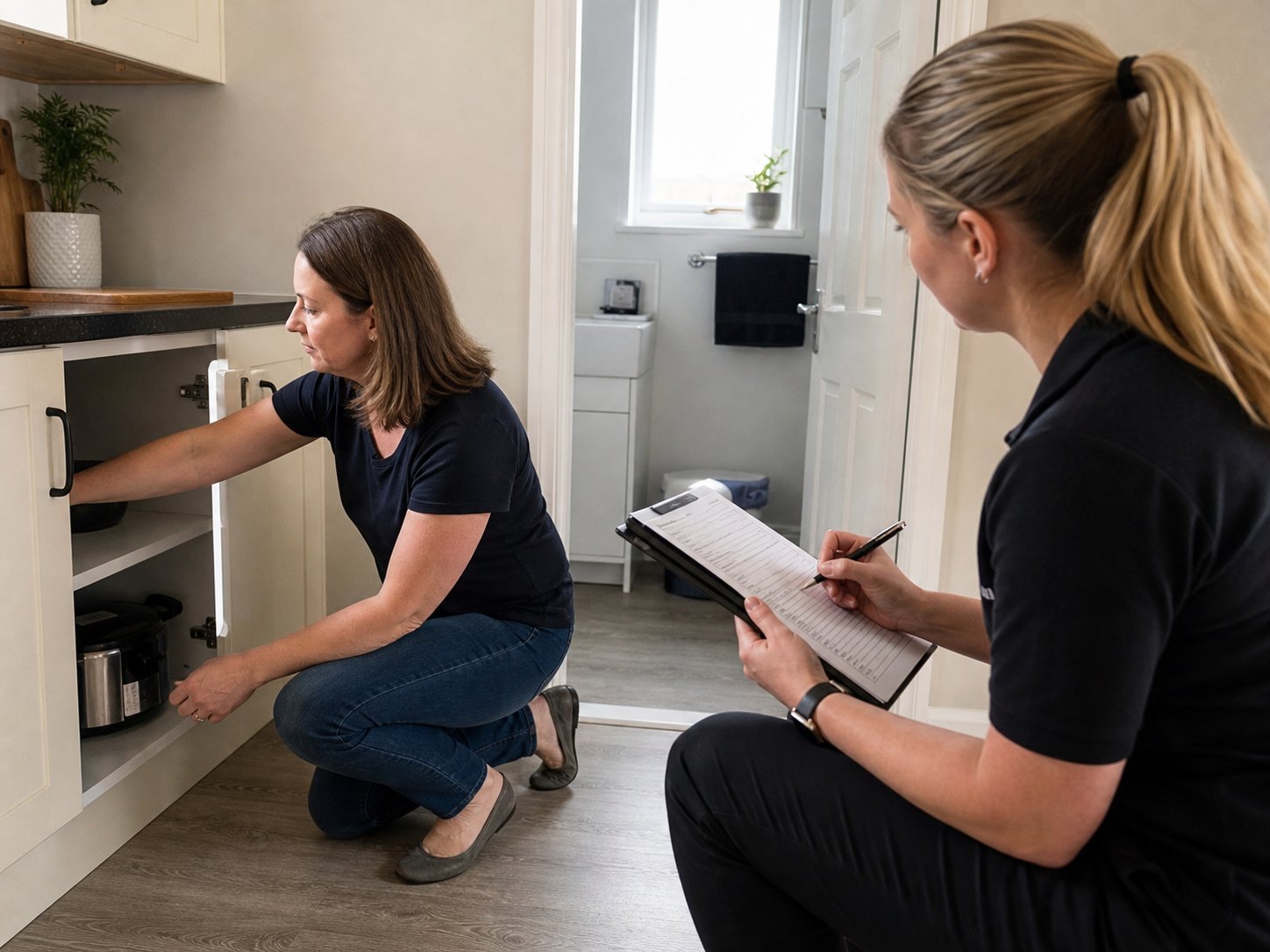
| Occupational therapist functional capacity assessment | The strongest single document. Assesses what you can and can't do at home, task by task, and recommends supports |
| GP or specialist letter | Confirms diagnosis, prognosis and any restrictions — bending, lifting, standing |
| Physiotherapist report | Useful for mobility, pain and fall risk |
| Support coordinator report | Describes what has been tried and what hasn't worked |
| Your own record | A simple log of tasks attempted, what happened, and what you couldn't finish |
If you get one thing, get the OT assessment. It is written in the language the NDIA uses, addresses functional capacity directly, and makes specific recommendations rather than general observations.
Step four: raise it at your plan reassessment
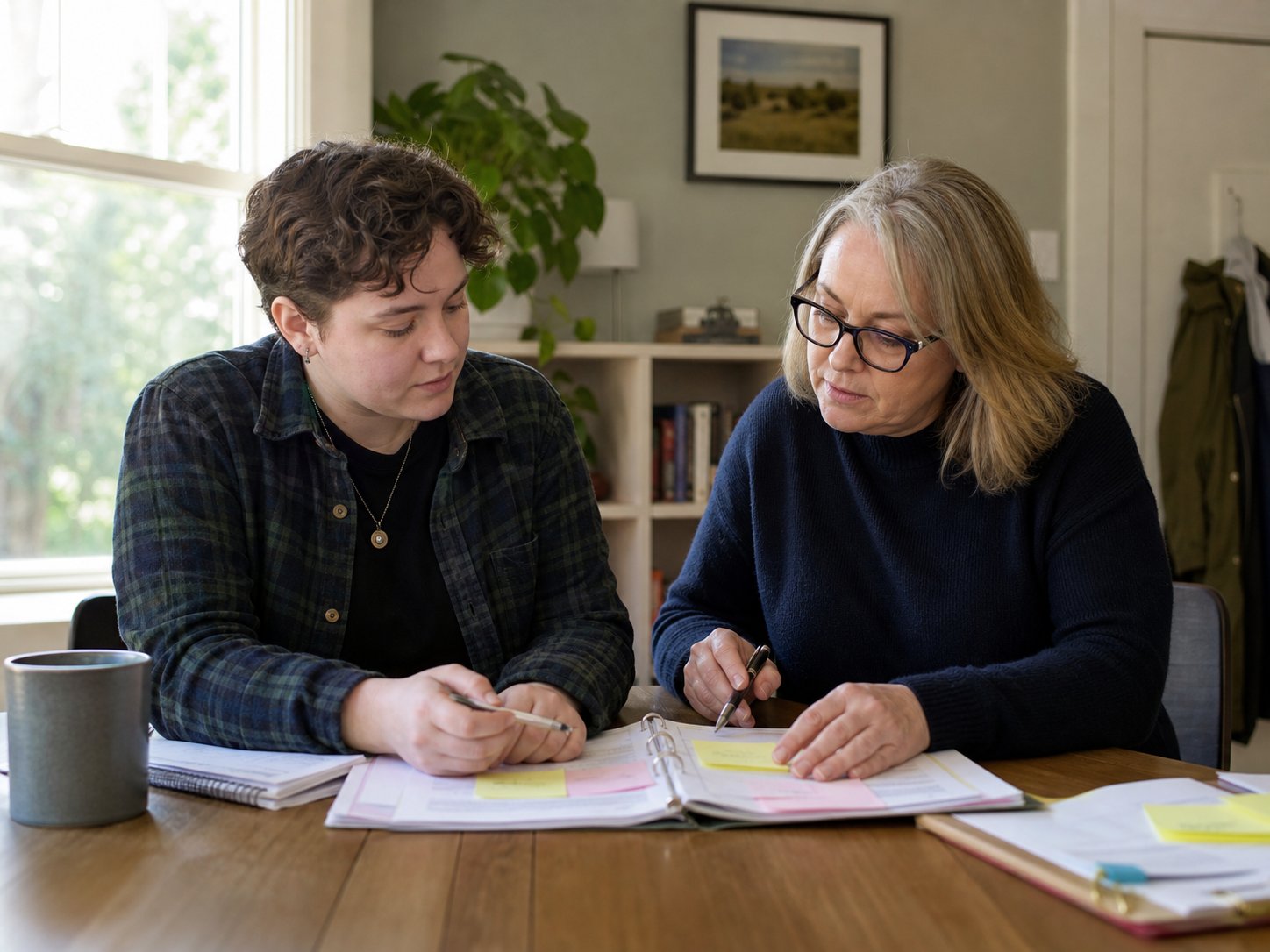
Plan reassessments are the natural point to change funding. Prepare rather than improvise.
- Submit evidence in advance where you can, so the planner has read it before the meeting.
- Be specific about hours. "Two hours a fortnight for bathroom, floors and laundry" is easier to fund than "help with cleaning". Vague requests get vague outcomes.
- Connect it to a goal in your plan. Household support that keeps you safe at home, or frees your energy for work or study, links directly to plan goals.
- Explain what informal support does and doesn't cover. The NDIA considers what family and housemates reasonably provide — so be clear about what's genuinely not available.
- Bring notes. Reassessment meetings move fast and it's easy to leave out the point you most wanted to make.
If your circumstances have changed significantly before your reassessment is due — a deterioration, a new diagnosis, a carer no longer available — you can request a plan reassessment early rather than waiting.
If cleaning support isn't included
A decision you disagree with is not the end of the process.
- Ask for reasons. Understanding why is the fastest way to work out whether it's an evidence gap or a genuine disagreement.
- Request an internal review. You generally have three months from the decision to ask the NDIA to review it. This is where new evidence often changes the outcome.
- External review. If internal review doesn't resolve it, you can apply to the Administrative Review Tribunal, which replaced the AAT in October 2024.
- Get advocacy support. Free, independent disability advocates can help through the National Disability Advocacy Program. In Victoria there are several funded services.
Be wary of guarantees. No provider can promise you'll be approved for cleaning support, and any that does is overstating what they control. Decisions rest with the NDIA and turn on your individual circumstances.
Once funding is confirmed, the next decision is who delivers it. Our guide to choosing an NDIS household tasks provider in Melbourne covers the questions worth asking before you sign anything.
Common questions
Can I ask for cleaning funding without a plan reassessment?
If you already have flexible Core funding, you don't need one — you can start using it. Changing the amount of funding in your plan generally requires a reassessment or a change of circumstances request.
How long does an internal review take?
It varies. The NDIA aims to complete internal reviews within set timeframes but actual times differ depending on complexity and workload. Your support coordinator or an advocate can help follow it up.
Does a doctor's letter guarantee approval?
No. Evidence strengthens a request but doesn't determine the outcome — the NDIA applies the reasonable and necessary criteria to your whole circumstances. Functional evidence about what you can and can't do at home tends to carry more weight than a diagnosis alone.
Do I need a support coordinator to request cleaning support?
No, but it helps. A support coordinator understands how requests are assessed and can help gather the right evidence and frame the request. If you don't have one, an advocate can play a similar role.
Sources and further reading
- National Disability Insurance Scheme Act 2013 (Cth), s 34 — reasonable and necessary supports
- NDIA, Reviewing your plan and goals
- Administrative Review Tribunal — art.gov.au, successor to the AAT from 14 October 2024
- Department of Health, Disability and Ageing, National Disability Advocacy Program